


6 Warning Signs You Need New Brakes
As a car owner, it's important to pay attention to the
sounds and signals your vehicle is giving you. Brakes are one of the most
critical parts of your car's safety system. If neglected, they can lead to
expensive repairs and even accidents.
In general, your car's brakes should be replaced every
25,000 to 65,000 miles, while rotors should be replaced every 30,000 to 70,000
miles. However, the exact number may vary depending on terrain, weather
conditions and driving style. Fortunately, you'll likely experience minor
symptoms when your brake pads are getting towards their end of life, making
diagnosis and repairs easy. However, if you're not sure if it's time to replace
your brakes, here are six common signs to look out for.
1. High-Pitched Screeching or Squealing Noise
If you notice a high-pitched screeching sound when you press
the brake pedal, there’s nothing to worry about. It doesn’t indicate that your
brakes will give out any minute. Instead, the squealing noise comes from a
piece of metal purposefully built into the brake pads. It’s intended to warn
you that the brake pads are near the end of their useful life and will need to
be replaced soon.
2. Heavy Grinding Sound
A heavy metallic growling or grinding noise signifies that
your pads have completely worn down. If you're experiencing a grinding noise
while you're applying pressure to the brake pedal, your brake pads need to be
replaced ASAP. In a short time, this can scratch your rotors or even melt the
metal together and cause the brakes to stick. If you leave the brake pads to
continue grinding, a lot more damage may occur resulting in higher repair
costs.
3. Brake pads appear to be thin
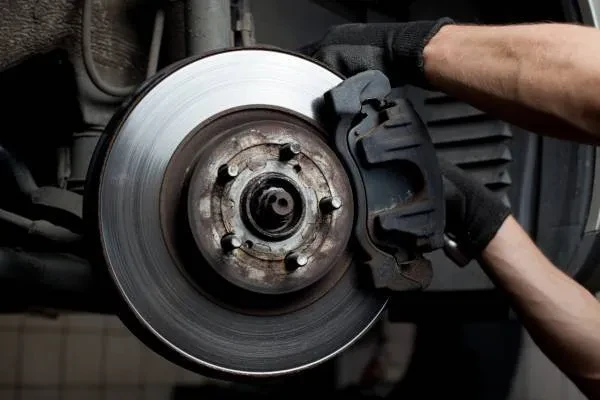
A visual inspection is an easy way to check the condition of
your car’s brake pads. You can see them between the wheels’ spokes, pressed
against the metal rotors. If you see that the pads are less than a quarter inch
or 6.4 mm thick, then it’s probably time to have them inspected or replaced.
4. Brake pedal vibration
If your brakes are in good working order, your car will stop
smoothly. But if the brakes are worn or the rotors are damaged, you may feel
your car shaking when you press the brake pedal. If the car shakes or the
steering wheel shakes when braking, but stops when the brake pedal is released,
it's time to have your brakes serviced.
5. Taking longer to stop
Sometimes when you need to stop quickly, you may feel that
your braking system is not stopping the car fast enough or it’s not as
responsive as it should be. If you're experiencing less than ideal-stoppage
times while applying your brakes, it may mean your brake pads are worn down
completely or that your brake fluid is low. In this case, you'll want to get to
a mechanic as soon as possible to ensure you maintain all braking abilities.
6. Indicator Light Shown
Newer model cars come with brake warning lights that appear
on your dash. Your brake light won't always come on when there is an issue but
it's also the light that appears on your dash when your parking brake is
engaged. If you see a brake warning light and your parking brake isn't engaged,
it's time to have a mechanic have a look and diagnose your issue.
Recent Posts



COMPANY INFORMATION
Revvitalize Automotive is a proud Canadian start-up serving the Canadian market. We offer used car parts with unmatched level of quality provided by best suppliers, especially those car junkyards around the country. We connect a plethora of salvage yards and junkyards in Canada into one place thus increasing the possibility of finding any used parts you are looking for.

Subscribe to our newsletter for regular updates about Offers, Coupons & more
Follow Us
Mobile Apps


