


Routine Car Maintenance Guide
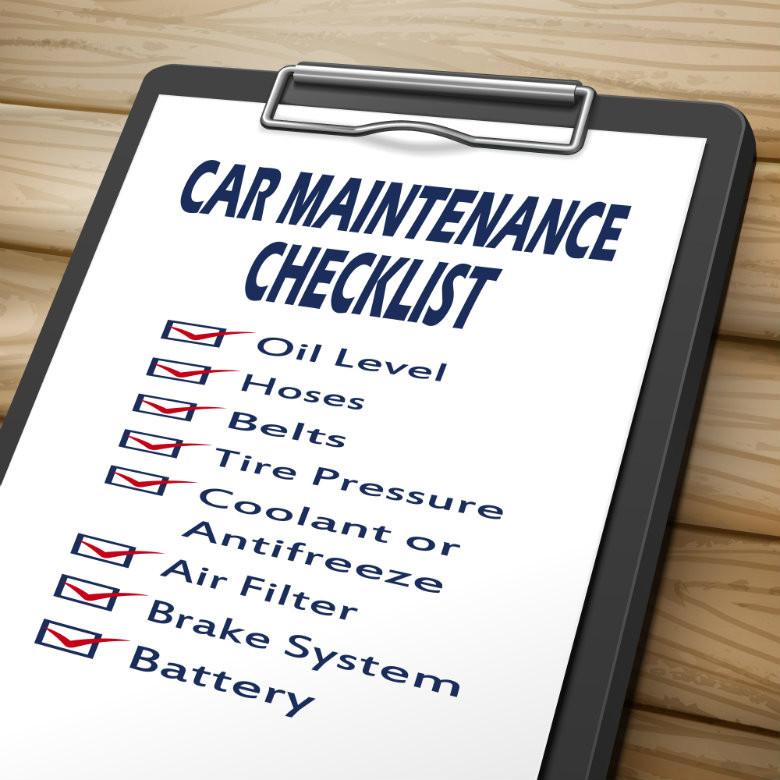
Routine Car Maintenance Guide
Maintenance keeps your cars running smoothly and safely down the road for a much longer distance compared to never doing upkeep. Your owner’s manual will outline all of the maintenance that needs to be done and when it needs to be done so that you’re prepared.
But do you need to pay for a mechanic to handle the vehicle maintenance? You can handle a lot of basic vehicle maintenance yourself. Here’s a rundown that will get you started.
1. Acquaint Yourself with Your Owner’s Manual
Every vehicle has an owner’s manual. It’s a thick book typically squirreled away in the glove box. If you can’t find your copy, an electronic version could be online. Otherwise, contact your dealer for a copy.
With manual in hand, head to the maintenance schedule section. Take note of the intervals for maintenance items like the engine oil, oil filter, tire rotation, belts, hoses and so on. It’s important to follow these manufacturer recommendations to keep the engine running as smoothly as possible.
2. Check Your Tires Monthly
Maintaining proper tire pressure will keep you safe and even save you a little dough. Improperly inflated tires — and this may mean over-inflated or under-inflated — don’t handle or stop as well as tires with the correct pressure. They also increase your chance of a blowout. Plus, tires with the correct pressure have a longer life and increase your fuel efficiency.
You probably know how to add air to your tires already. What you may not know is the correct tire pressure, which is extremely important. You’ll find the ideal tire pressure on a placard located on the driver’s door jamb or in the owner’s manual.
3. Change Your Oil and Oil Filter on Schedule
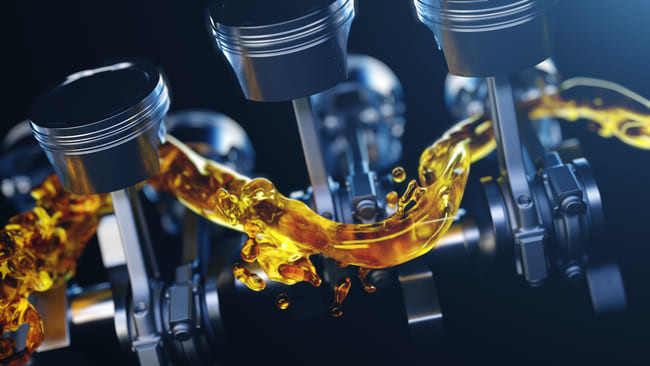
Motor oil is essential to your car’s performance. Its most important job is to lubricate all the moving parts in your engine, so they don’t grind and tear themselves into dysfunction. It also transfers heat away from the combustion cycle and traps and holds all the nasty byproducts of combustion, sending it to the oil filter. If your engine doesn’t have enough oil, your car is at risk of going kaput.
Change oil every 5,000 miles. We’ve written a guide on how to change your car’s motor oil yourself. But for those living in an apartment or dorm, this might not be an option. Whether you do it yourself or take it to a mechanic, getting your oil changed regularly is one of the most important ways of keeping your car running smoothly.
Change air filter every 12,000 miles. This is quite possibly one of the easiest car maintenance jobs you can do yourself. We wrote how to do it here. Regularly changing your car’s air filter will increase fuel efficiency, prolong your engine’s life, and reduce emissions
4. Replace the Air Filter upon Oil Changes
When it comes to the air filter, you may need to replace it once or twice each year. It largely depends on how much you drive. It’s best practice to check the air filter when you change your oil.
5. Inspect All Other Fluids
Motor oil is not the only fluid that needs to be checked. Experts recommend checking your car brake fluid, transmission fluids, coolant and windshield washer fluid.
Like motor oil, you’ll check transmission fluid with a dipstick. Determine brake fluid, coolant and washer fluid levels by removing related covers and visually inspecting each. They should reach a designated fill line.
Do NOT remove the radiator cap to check coolant levels. You risk getting scalded if the cap is removed. Instead, check the coolant level in the nearby transparent refill container.
6. Examine Belts and Hoses
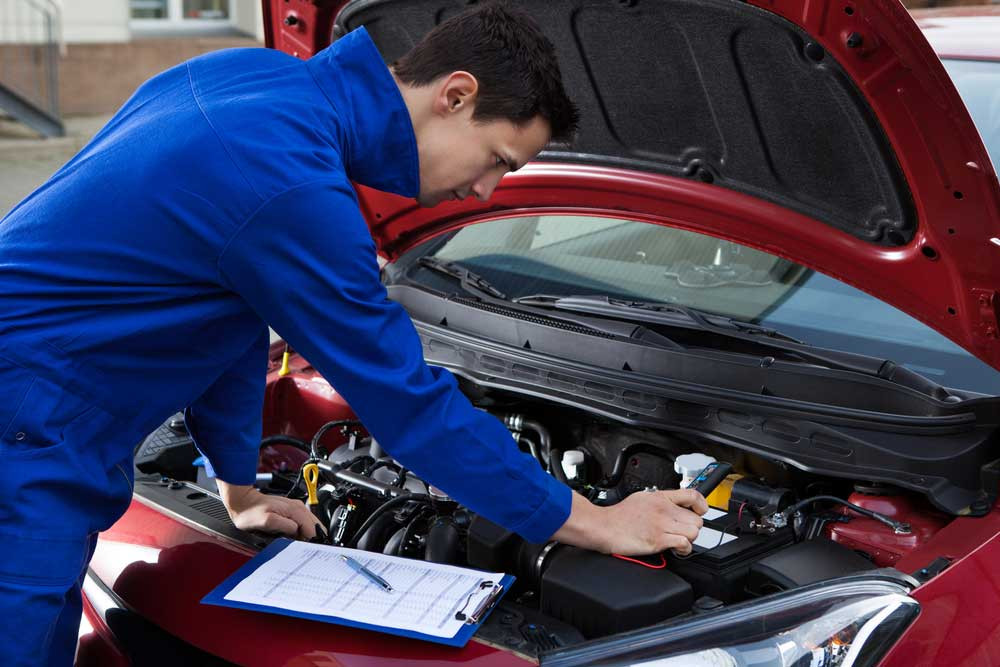
If you want to go one step beyond basic routine vehicle maintenance, then inspect the hoses and belts in the engine bay. These hoses direct coolant flow to ensure the engine doesn’t overheat. If a hose has separated, shows cracks or bulges, then have it replaced.
Also check the belts too. The timing belt, as found in most cars and small SUVs, is critical to the operation of your engine. If the belt shows signs of wear, including cracking, glazing and material loss (chunks missing from the belt itself), then replace it ASAP. If the timing belt goes while driving it can cause serious engine damage.
7. Always Listen and Feel for Brake Issues
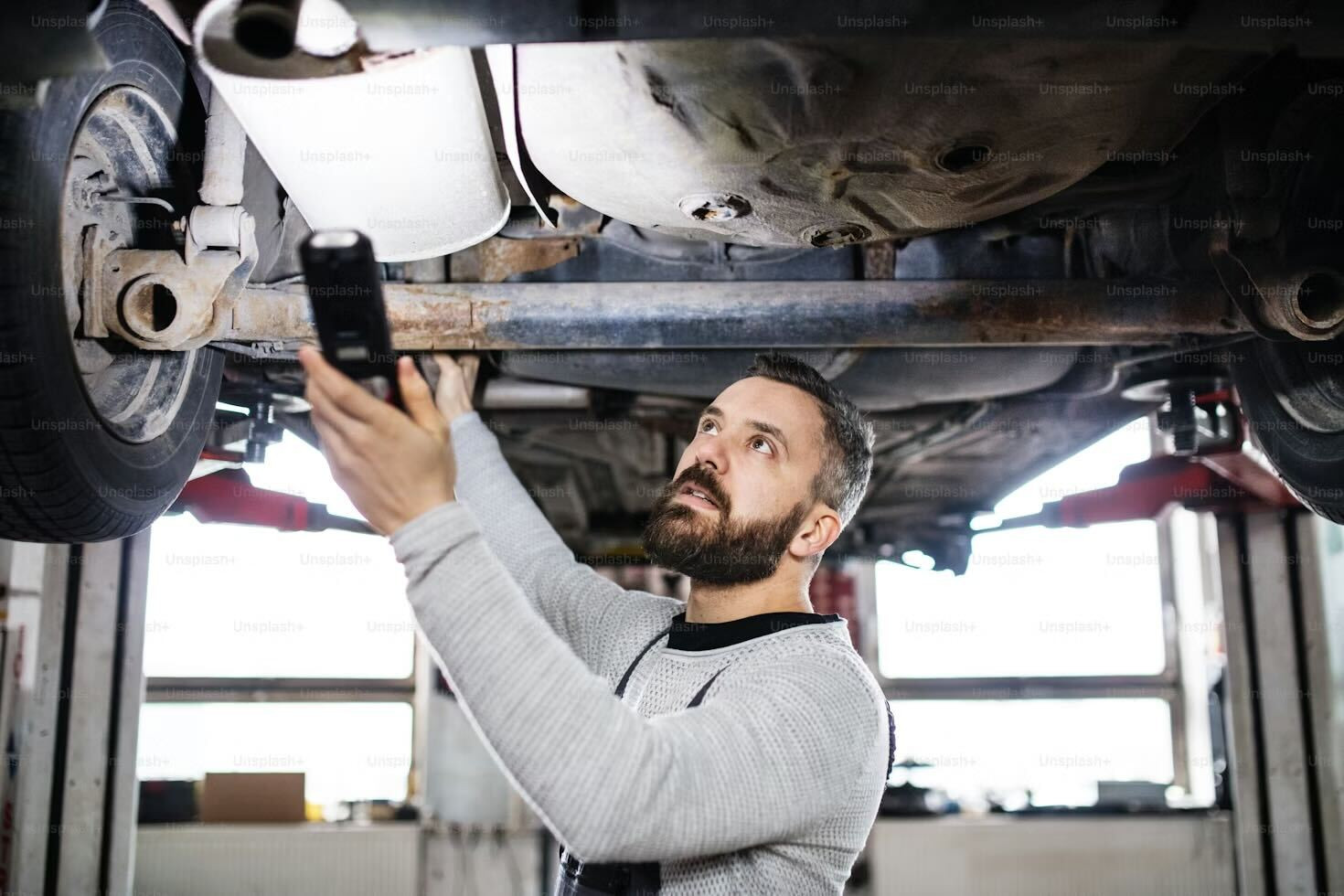
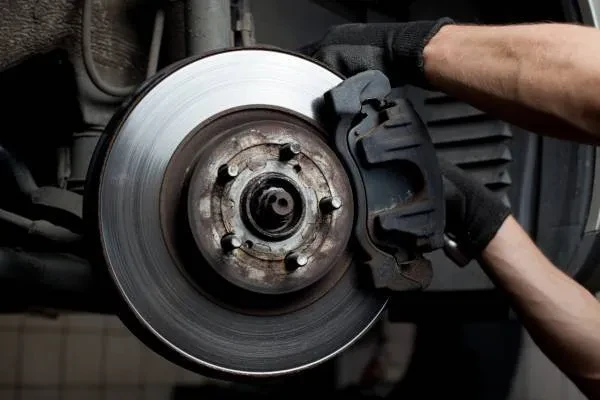
Brakes are a critical component on every vehicle. You should always be aware of how your brakes feel and what they sound like every time you drive. If the brakes feel spongy or it takes more pressure to apply the brakes than normal, they need to get inspected by a professional.
Brake sounds can indicate when maintenance or repair is needed. Here’s a quick rundown of common brake sounds:
- Squealing: It’s time for new brake pads when you hear squealing because the ones you have now are worn out and rubbing against the rotor.
- Grinding: This isn’t a normal sound, but it may not be a major issue if brake grinding happens only the first time you drive the vehicle in a day. When the humidity levels are high outside, rust can form on the brake rotors in a matter of a day if the vehicle isn’t driven. The grinding sound is the rust getting knocked off. The simple fix is to park the vehicle in a garage when it’s snowing, raining or humid.
- Rattling: A rattling or vibration sound suggests one of the rotors is warped or worn out and needs to be replaced.
- Intermittent Sounds: If brake sounds come and go it could be an indicator of brake fade from overheating. When the brake pads, rotors or brake fluid overheat you may hear brake sounds and the brakes won’t feel as responsive. This problem should be looked at by a professional who can pinpoint the cause and fix it.
8. Replace Wiper Blades as Needed
If the windows streak or the blades screech when the system is operating, it’s time for a replacement set. This is actually a very important vehicle maintenance measure. If you find yourself in a rainstorm the windshield wipers are what give you visibility. You never know when you may need them so check the wiper blades often.
9. Remove Battery Corrosion
As for the car battery, the main requirement is to ensure that the battery terminals remain free from corrosion. Just like the brakes, environmental factors can cause buildup that hinders operation. A wire brush along with a solution of water and baking soda will knock the corrosion right off.
Now that you know vehicle maintenance 101, you’re on your way to ensuring your car keeps safely cruising down the road for miles.
Recent Posts



COMPANY INFORMATION
Revvitalize Automotive is a proud Canadian start-up serving the Canadian market. We offer used car parts with unmatched level of quality provided by best suppliers, especially those car junkyards around the country. We connect a plethora of salvage yards and junkyards in Canada into one place thus increasing the possibility of finding any used parts you are looking for.

Subscribe to our newsletter for regular updates about Offers, Coupons & more
Follow Us
Mobile Apps


