


OIL COOLER: LEAKS, FAILURE SYMPTOMS AND PROBLEMS
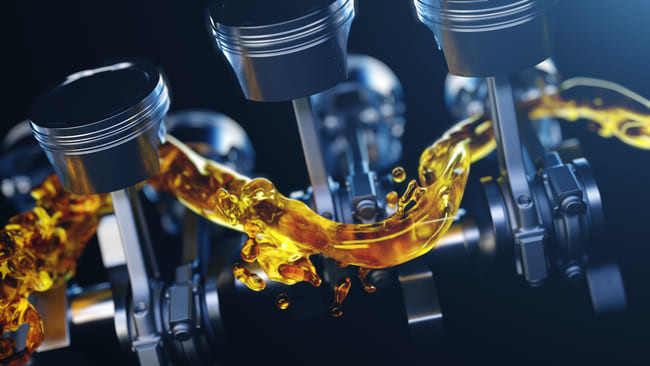
What is an oil cooler in an engine?
The oil cooler purpose is to allow the engine’s cooling
system to remove excess heat from the oil. They look like small cross-flow heat
exchanges and the oil cooler location can differ depending on which car you
have, though they are all played to maximize the cooling efficiency.. With oil
coursing predominantly through the engine block, the steering system, and a
turbocharger in turbocharged vehicles, oil can very quickly gain heat,
especially when driving intensely.
In most cars, engine oil is fed to the oil coolers from an
adapter that is located between the engine block and the engine oil filter. The
oil then flows through the tubes of the cooler while the engine coolant flows
around the tubes. The heat from the oil is transferred through the walls of the
tubes to the surrounding coolant similar in many ways to the operation of an
indoor air conditioning for residential homes. The heat absorbed by the
engine’s cooling system is then transferred to the air as it passes through the
vehicle’s radiator, which is located in front of the engine behind the grille
of the vehicle.
Why is it important to keep engine oil cool?
Oil flows around the engine block to make sure moving parts
are lubricated and can move freely and also to remove heat produced through
friction. Before the oil enters the sump or oil reservoir after it has been
around the system and will be sent around once more, it needs to be cooled down
so that the oil doesn’t reach an unusable viscosity. Viscosity is a measure of
how easily a fluid flows, and as oils lose and gain heat, their viscosities
increase and decrease respectively. So a thick, lumpy oil has a high viscosity
and a smooth, thin oil flows more easily and therefore has a lower viscosity.
Automotive oils are specially designed to sit within certain
ranges of viscosity. Therefore, if too much heat is transferred to the oil, its
viscosity decreases to a point where it would struggle to lubricate the
required systems properly. So it becomes a balance; you want it to be sticky
enough to cling to the gears and moving parts, but free enough to flow through
the system and keep it cool. Since temperature is an important factor in the
change in viscosity of oil, cooling becomes an essential process.
How long does an oil cooler last?
An oil cooler is meant to last for the entire life of a car.
This doesn’t mean, however, that it will last that long in reality as there are
a few things that can go wrong. It is important to keep an eye out for any of
the symptoms listed below. In certain situations, the cooler might have to be
replaced, but it is hard to say exactly when. The sooner you spot the faults,
though, the less damage will need to be repaired.
If you are getting your car serviced, they will normally
check the oil and filter as
well. Check that they check the oil cooler at the same time.
What are common oil cooler problems?
There are a variety of different issues you can get with an
oil cooler and most of these will need certain components or even the cooler
itself to be replaced.
A problem that you might encounter is that the oil cooler
adapter, which connects the cooling lines to the cooler itself, fails. The
gasket or rubber o-ring within the adapter can become hard and inflexible over
time, which means that it does not act as an effective seal.
The lines themselves or the oil cooler can also fail and
begin leaking, which would result in a loss of engine fluid. This can happen as
a result of general wear and tear.
It could also be the case that coolant can be forced from
the cooling system into the oil pan, if the engine is not running and the
cooling system is pressurized.
What could be the signs of oil cooler failure?
The common oil cooler failure symptoms usually relate to
leaking liquids. If the oil cooler adapter fails as mentioned above, engine oil
may be forced out of the engine. If it is only a small oil cooler leak, it
might be a puddle of engine oil on the ground underneath your vehicle or if it
is larger it could quite possibly be a stream of oil on the ground behind your
vehicle. If either of these is the case, you should get it checked out at a
garage as soon as possible.
Another liquid that the cooling system can lose is engine
coolant. Similar to a loss of oil, engine coolant can leak out of an oil cooler
if the body of the cooler is compromised. Whether the coolant leak is large or
small, the engine is going to overheat after a while if it isn’t repaired
quickly. If the leak is small, you may notice coolant puddling on the ground
underneath your vehicle. If the leak is a large one, you will probably notice
steam pouring out from under the bonnet of your vehicle. If enough coolant
leaks from the radiator or oil cooler, it can result in engine overheating
problems and mechanical component failure, so get it checked out as soon as
possible!
Most cars won’t need an oil cooler upgrade. For everyday
use, cars will only ever need the natural cooling effects of the oil lying in
the sump or coursing through other areas of lower temperatures to stay within
the required viscosity limits.
When should you upgrade your oil cooler?
If you’re planning on taking your car to a track day,
fitting it out for proper racing, or doing a lot of off-roading, you might want
to think about changing your oil cooler to something better. Most normal road
cars aren’t designed to be thrashed around a track for lap after lap. Engine
modifications may also bring the need for an oil cooler to the front of the
shopping list. As an engine produces more power, it naturally creates more heat
energy which will then transfer to the oil. If this level of heat transfer is
above what the original engineering was specced to cope with, then measures
will need to be taken to remove this additional heat from the oil system.
There are a couple of different options you have, but a
front-mounted oil cooler is possibly the simplest addition to your car. Sitting
in or beside the radiator, a small heat exchanger should be able to cool the
oil in an average sporty car, without taking too much away from the
water-cooling system.
Recent Posts



COMPANY INFORMATION
Revvitalize Automotive is a proud Canadian start-up serving the Canadian market. We offer used car parts with unmatched level of quality provided by best suppliers, especially those car junkyards around the country. We connect a plethora of salvage yards and junkyards in Canada into one place thus increasing the possibility of finding any used parts you are looking for.

Subscribe to our newsletter for regular updates about Offers, Coupons & more
Follow Us
Mobile Apps


